
5 Reasons why Bandhavgarh Offers the Highest Density for a Tiger Safari in India.
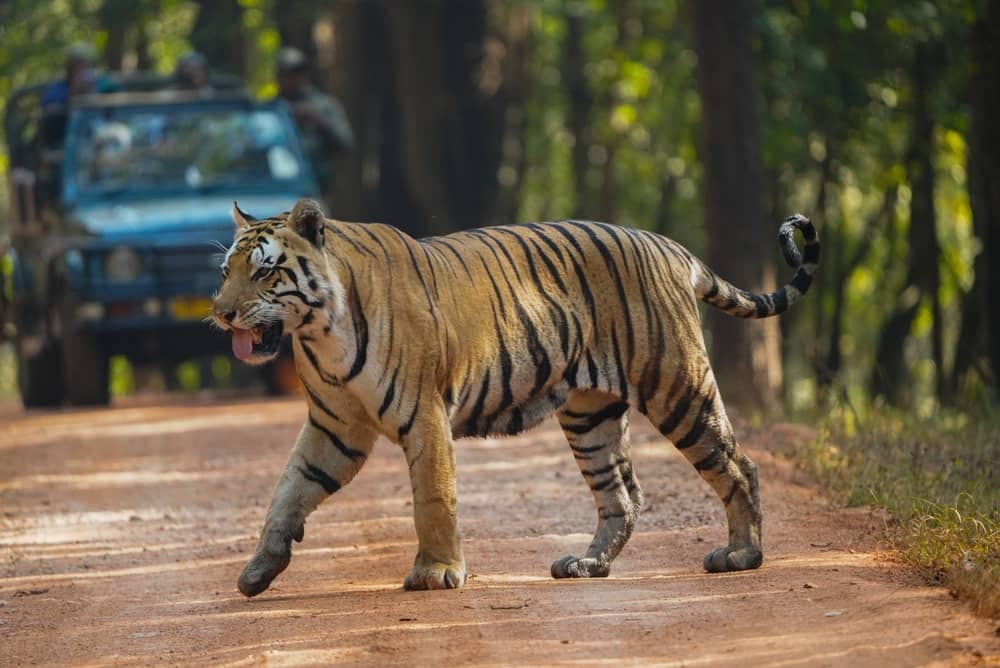
Bandhavgarh National Park serves as the premier destination for enthusiasts seeking the Royal Bengal Tiger in its natural habitat. While India contains many reserves, this specific landscape in Madhya Pradesh holds the highest density of tigers globally. This concentration turns every excursion into a high-probability sighting event. A successful Tiger Safari in India depends on choosing locations where the ecosystem actively supports a large predator population. Bandhavgarh thrives because of specific geological and biological features. In this blog, we analyse the environmental factors that make this park the gold standard for India wildlife safari tours.
1. Compact Core Geography and High Carrying Capacity
- The Tala zone functions as the heart of the park and supports a dense population within a small area.
- Small territorial sizes allow more tigers to coexist in the same square mileage compared to sparse reserves.
- High carrying capacity means the land produces enough resources to sustain multiple dominant males and breeding females.
- High-density environments create frequent overlaps in tiger territories, which increases your chances of a sighting.
- This compact structure simplifies tracking efforts for our naturalists during every morning and afternoon drive.
- The geological layout prevents tigers from wandering too far from the central monitoring zones.
2. Perennial Water Sources and the Charanganga River
- The Charanganga river originates from the ancient Bandhavgarh Fort and provides a consistent water supply year-round.
- Natural springs and marshes stay wet during Central Indian summer months.
- Water acts as a natural magnet that draws both prey and predators to predictable locations in the forest.
- Tigers frequently use these water bodies to cool their body temperatures after a hunt or long patrol.
- Predictable water access makes Bandhavgarh a reliable centrepiece for our India wildlife safari tours.
- The river system creates lush meadows that attract high numbers of herbivores throughout the year.
3. Dense Sal Forests and Abundant Prey Base
- The park features a thick canopy of Sal trees and bamboo thickets that offer camouflage for stalking predators.
- Diverse flora supports a massive population of herbivores, including Spotted Deer (Chital), Sambar, and Wild Boar.
- High prey ratios ensure tigers remain healthy and reproduce at a steady rate.
- Thick vegetation creates the ideal environment that tigers require to surprise their prey effectively.
- Our naturalists listen for the distinct alarm calls of deer and monkeys to track tiger movement through the forest.
- The combination of dense cover and high food availability prevents tigers from leaving the park boundaries.
4. Historical Protection and Strict Conservation Efforts
- The Rewa Royals once preserved these forests as private hunting grounds, which prevented early agricultural encroachment.
- Modern 'Project Tiger' initiatives implement strict patrolling to minimise poaching and protect vital habitat corridors.
- Effective zone management regulates vehicle traffic to ensure that tourism does not disrupt natural tiger behaviour.
- Local communities participate in conservation programs that reduce human-wildlife conflict around the park boundaries.
- These layered protection efforts keep Bandhavgarh’s tiger population stable and growing year after year.
- Strict entry quotas ensure that the tigers remain habituated to jeep presence without feeling threatened.
5. Genetic Strength and Successful Breeding Legacies
- Legendary tigers like 'Charger' and 'Sita' established a strong genetic foundation that persists in today's resident cats.
- Healthy breeding females successfully raise multiple cubs to adulthood due to the abundance of food and safety.
- Dominant males vigorously defend their territories, which forces younger tigers to expand into surrounding buffer zones.
- The park's isolation from urban centres protects the genetic integrity of the local tiger population.
- Bandhavgarh remains a primary source of tigers for relocation programs to other struggling reserves across India.
- A high survival rate for cubs ensures that new generations of tigers replace the ageing population naturally.
Schedule Your India Wildlife Safari Tours
Eaze Tours invites you to join our next expedition into the heart of Central India’s tiger country: handling every logistical detail, from securing high-demand Tala zone permits to providing expert naturalist guidance. We select boutique jungle lodges that offer immediate access to the park gates for early morning entries. Our India wildlife safari tours prioritise your sighting success through data-driven tracking and professional expertise. We ensure your Tiger Safari in India delivers a profound connection with the wild. Call us at 91 98731 86168 to secure your place on our 15-day wildlife circuit today. Visit our Wildlife Safari Tour Package to start your booking process.