
Exploring the Four Major Buddhist Pilgrimage Sites in India and Their Historical Significance
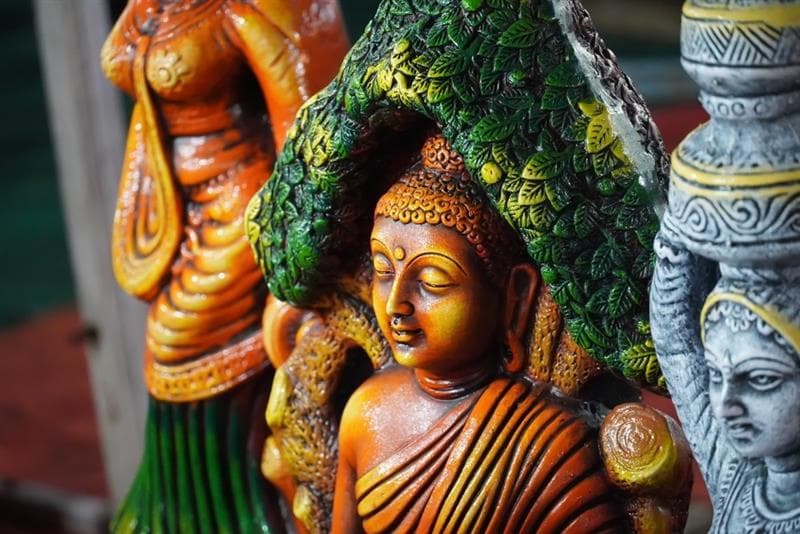
Following the footsteps of Siddhartha Gautama reveals a profound map of spiritual evolution across the subcontinent. These Buddhist pilgrimage sites in India serve as physical anchors for the history of enlightenment and the spread of Dhamma. Every location marks a specific, transformative milestone in the life of the Buddha, from birth to final liberation. By choosing a Buddhist tour in India, travellers gain access to ancient wisdom while navigating a modern landscape of devotion. We design these itineraries to balance historical exploration with the quietude required for personal reflection. This journey traverses the Bihar-Uttar Pradesh corridor to connect seekers with living traditions.
Bodhgaya: The Epicentre of Universal Awakening
- Bodhgaya anchors every comprehensive Buddhist tour in India as the most significant destination for practitioners.
- Beneath the sacred Bodhi Tree, Prince Siddhartha attained supreme enlightenment after years of ascetic struggle.
- UNESCO recognises the Mahabodhi Temple complex for its architectural continuity and global religious importance.
- The Vajrasana, or Diamond Throne, marks the precise spot where the Buddha sat during his awakening.
- International monasteries from nations like Japan, Tibet, and Bhutan create a diverse cultural atmosphere.
- Upon entering the temple grounds, pilgrims hear constant chanting that supports a deep meditative focus.
- The 80-foot Great Buddha Statue stands as a massive visual reminder of the path to peace.
- We prioritise early morning visits to this site to avoid the heat and heavy afternoon crowds.
Sarnath: Turning the Wheel of Dharma
- Sarnath represents the location of the first sermon, where the Buddha shared his insights with five disciples.
- The Dhamek Stupa towers over the landscape as a cylindrical monument commemorating these foundational teachings.
- By visiting the Ashoka Pillar, travellers see the Lion Capital that serves as the national emblem of India.
- Chaukhandi Stupa marks the precise reunion of the Buddha with his companions after his enlightenment.
- Inside the Sarnath Museum, we find preserved sculptures from the Mauryan and Gupta periods of Indian history.
- The surrounding Deer Park provides a secluded space where the Buddha originally explained the Four Noble Truths.
- Archaeological excavations reveal the ruins of the Dharmarajika Stupa and several ancient monastic cells.
- Scholarly traditions continue here, making Sarnath a vital intellectual hub for any Buddhist tour in India.
Kushinagar: The Site of Final Liberation
- Kushinagar marks the site of the Mahaparinirvana, where the Buddha passed from the physical cycle of rebirth.
- The Parinirvana Temple houses a 1,500-year-old reclining statue carved from a single block of red sandstone.
- At the Ramabhar Stupa, travellers stand at the exact location of the Buddha’s cremation and funeral pyre.
- The quiet atmosphere of this remote village encourages the contemplation necessary to end a spiritual journey.
- Multiple international temples dot the landscape to reflect the global reach of the Buddha’s final message.
- Including Kushinagar in our Buddhist pilgrimage sites in India itineraries provides a sense of narrative completion.
- The Matha Kuar Shrine contains an ancient statue representing the Buddha in a 'touching the earth' posture.
- Manicured gardens surround these monuments to maintain a respectful and silent environment for visiting monks.
Lumbini: Tracing the Sacred Origins
- Lumbini serves as the sacred birthplace of Siddhartha Gautama and sits across the India-Nepal border.
- Inside the Maya Devi Temple, a marker stone indicates the exact spot where the Prince was born.
- The Puskarni Pond remains the location where Queen Maya Devi bathed before the birth of her son.
- An Ashokan Pillar provides historical proof of the Emperor’s pilgrimage to the site in 249 BCE.
- Strict regulations in the Monastic Zone prohibit commercial hotels from preserving the spiritual sanctity of the region.
- A visit to Lumbini enriches the understanding of all other Buddhist pilgrimage sites in India.
- Our logistical experts manage the complex border transitions to ensure a seamless entry into Nepal.
- The eternal peace flame burns continuously at the site to represent the hope for global harmony.
Orchestrate your Buddhist tour in India with Eaze Tours
Eaze Tours understands the delicate balance between technical travel logistics and spiritual intent. We utilise our deep industry relationships to secure premium accommodation and reliable transit across the Uttar Pradesh and Bihar borders. Our professional guides provide the historical grit and philosophical context that standard sightseeing tours often miss. We manage the intricate details of your itinerary so you focus entirely on your meditation and study. To begin your transformative Buddhist tour in India, call +91 987 318 6168 or fill out our contact form today. Find your inner peace through our dedicated service.